Showing Up as You When the Stakes are High
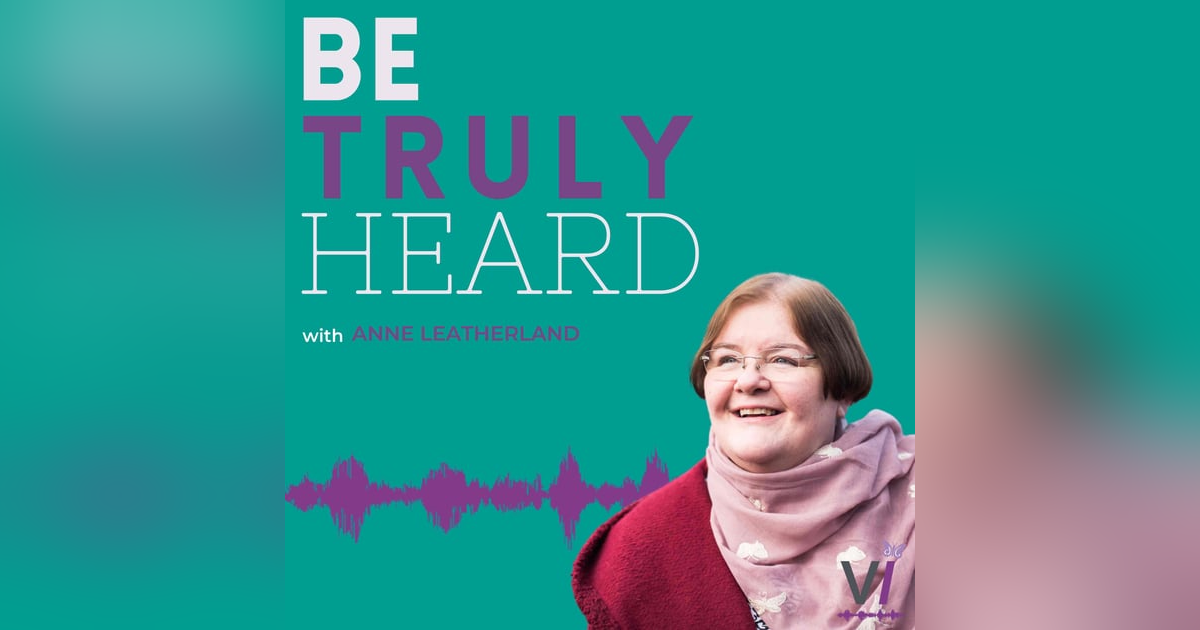


In this episode of Be Truly Heard, Anne Leatherland explores what really happens when high-stakes speaking situations send your nervous system into overdrive.
From meetings and interviews to client calls and presentations, she explains why your body can react as if you’re facing danger, and how that stress response affects breath, pitch, vocal steadiness and confidence. Rather than relying on “just be confident” advice, Anne shares a more practical approach: regulating the nervous system so your voice can reflect your real capability, even when the pressure is on.
She unpacks the fight, flight, freeze and fawn responses, shows how adrenaline and cortisol can interfere with vocal control, and introduces the idea of nervous system leadership, guiding your internal state so your voice stays grounded, calm and authoritative. Through a simple do-along exercise using breath, pacing, pitch and physical grounding, she demonstrates how small shifts in the body can help the voice settle and the speaker feel safer, steadier and more present.
Key Takeaways
High-stakes speaking can trigger an ancient survival response.
Your nervous system doesn’t always know the difference between a lion and a boardroom. Meetings, interviews and difficult calls can all activate protective stress responses that make speaking feel harder.
Stress changes the voice as well as the body.
When you’re dysregulated, breath becomes rapid, the throat can tighten, pitch may rise and the voice may wobble or lose power. That can make you sound less confident than you really are.
“Just be confident” is not enough.
Anne challenges surface-level advice like “just breathe” or “do a power pose” on their own. Real change comes from helping the body feel safe enough to move out of threat mode.
Nervous system leadership is a learnable skill.
This means guiding your inner state so your voice reflects your capability, not your panic. The more you can regulate yourself before and during speaking, the more authority and ease your voice can carry.
The voice can help calm the nervous system.
It’s not just that the nervous system affects the voice; the voice can also signal back to the body that everything is okay. A steadier pace, fuller breath and more grounded pitch can reduce activation.
Grounding through the body supports vocal presence.
Feet flat on the floor, softened jaw, a silent deep breath and a sense of energy rising through the body can help create a more connected, supported sound.
Speaking more slowly and from a fuller breath improves authority.
Anne contrasts a light, fast, slightly higher delivery with a slower, more grounded version of the same sentence to show how pacing, pitch and breath change how you sound and feel.
You’re not lacking skill – your system may be working against you.
Often, the challenge is not that you don’t know what to say, but that your voice, body and sense of self are not working together under pressure. Integration is the goal.
Best Moments
- “The meeting, the interview, the client on the phone… anything that puts you into that state of butterflies in the stomach and sets your nervous system into overdrive.”
- “The nervous system goes into protective mode when the brain and the body detect a threat.”
- “That nervous system state and the body state, if you like, affects your voice.”
- “Just trying to be confident alone doesn’t work.”
- “We need to tell the body that it’s safe.”
- “I like to think of this as nervous system leadership.”
- “The nervous system listens to the voice as much as the voice reflects the nervous system.”
- “You don’t fail to show up because you lack skill… your voice, body and self are not working together.”
Weekly Challenge
The next time you’re heading into a high-stakes speaking moment, try Anne’s regulation sequence first: place your feet flat on the floor, soften your jaw, take a deep silent breath, and say a simple sentence more slowly and from a fuller, lower pitch. Notice how your voice changes when your body feels safer and more supported.
About the Host
With over 28 years’ experience, Anne Leatherland helps clients develop vocal confidence and personal growth. Her holistic approach bridges science, education and the performing arts, supporting women to be truly heard in business.
Find out more: https://anneleatherland.co.uk/